
The Legal Risks of Being an Owner-Builder in Florida
In the state of Florida, there is a legal exemption that allows property owners to act as their own general contractors, known as the Owner-Builder exemption. At first glance, it may seem like a smart way to save money on management fees. However, this path is filled with legal and technical pitfalls that can put your property—and your financial security—at serious risk.
What Does Owner-Builder Really Mean?
Florida law allows homeowners to pull permits to build, remodel, or repair their primary residence. But here is the fine print:
The property must be for personal use, not for immediate resale or rental (typically for at least one year after completion).
If your intention is to flip the property or rent it out, you do not legally qualify for the Owner-Builder exemption.
The LLC, Trust, and Corporation Mistake
Many investors purchase properties under an LLC for asset protection. However, the moment a property is owned by a legal entity—LLC, Corporation, or Trust—you lose the right to act as an Owner-Builder.
Florida law requires a state-licensed contractor to assume responsibility in these cases. Attempting to pull a permit as an owner when the property is held by an LLC is grounds for immediate rejection and may trigger further investigation.

Condominiums: A No-Go for Owner-Builders
If you live in a condo or apartment in Miami or Broward, you can forget about pulling your own permit.
Because work in condominiums can impact shared structures, fire systems, plumbing, or neighboring units, cities require that only licensed and insured professionals perform construction work in these buildings.
The Massive Liability Risk
This is the most critical point discussed in our expert interviews.
When you pull a permit as an Owner-Builder, you become the legal employer. If you hire an off-the-books crew and a worker falls from a ladder or suffers an electrical shock, you are personally liable.
Without Workers’ Compensation insurance, that accident can result in a lawsuit that could force you to sell your home to cover medical and legal costs.
Active Code Violations: A Hard Stop
A common question we hear is:
“Can I pull a permit myself to fix a code violation?”
In most jurisdictions, the answer is NO.
If there is an active code violation, the city usually requires a licensed professional to take control of the project to ensure the correction fully complies with the law that was violated.
Subcontractors: Plumbing, Electrical, and HVAC
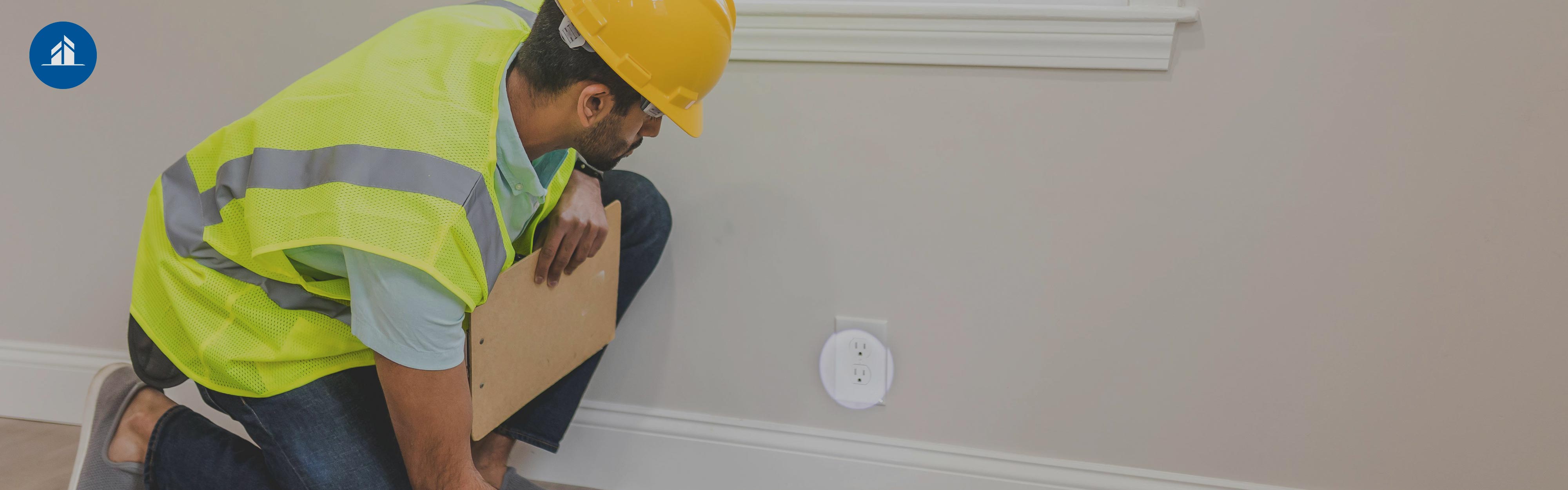
Even if you pull the general permit as an Owner-Builder, you cannot do everything yourself.
In Florida, plumbing, electrical, and HVAC work must be performed by licensed subcontractors. You cannot wire a new electrical panel unless you are a certified electrician. Ignoring this will invalidate your permit and create additional violations.
“Cheap Work Gets Expensive”: The Cost of Inexperience
As we’ve emphasized in our content series, many homeowners try to save money by hiring unlicensed labor. The real problem arises during inspection.
City inspectors are unforgiving when Owner-Builder work fails to meet code. If the project does not pass inspection, you may be required to demolish and redo the work—paying twice what you originally planned.
Selling the Property with Open Permits
One long-term risk of acting as an Owner-Builder is leaving permits open.
If you decide to sell your home years later and the title shows a permit that never passed final inspection, the sale will likely be blocked. Buyers and lenders today are extremely strict about permit history.

The Role of a Professional Permit Manager
Hiring a company like AG CONTRACTORS & DESIGN is not an expense—it’s insurance.
We ensure plans are compliant from day one, coordinate inspections, and verify that every contractor on site has proper licensing and insurance. This removes stress and legal exposure for the property owner.
Knowledge Is Money
In Florida construction, time is money.
Trying to navigate the permitting system as an Owner-Builder without experience can delay your project for months. Knowing when you can do it yourself—and when it’s critical to call professionals—is essential to protecting your investment.